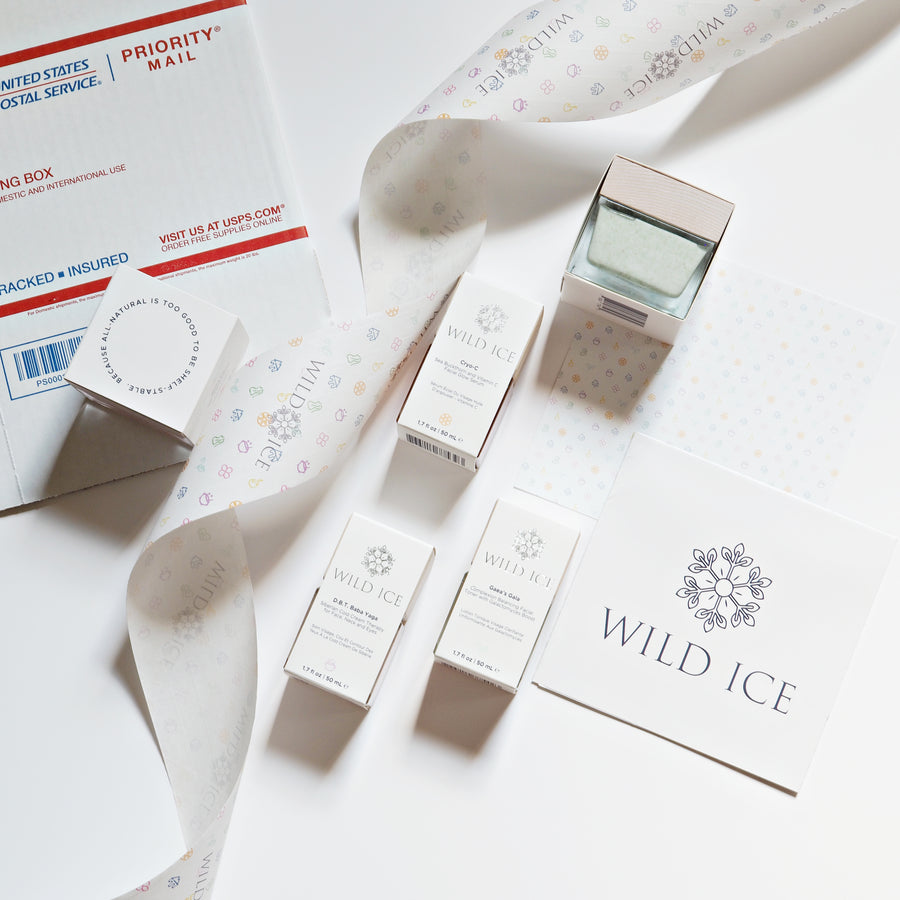
1,400+ 5-star reviews. Four Reasons.
-
Potent
Cold keeps actives from reacting or breaking down.
-
Safe
Chemical preservatives aren't needed.
-
Fresh
Small-batched just days before arrival.
-
Clean
No fillers. No synthetics. No sensitizers.

Product Walkthrough
New? Start Here
Not sure where to begin?
We'll walk you through the full line so you can find the right products for your skin.
Our Cold Standard: Best Sellers
-
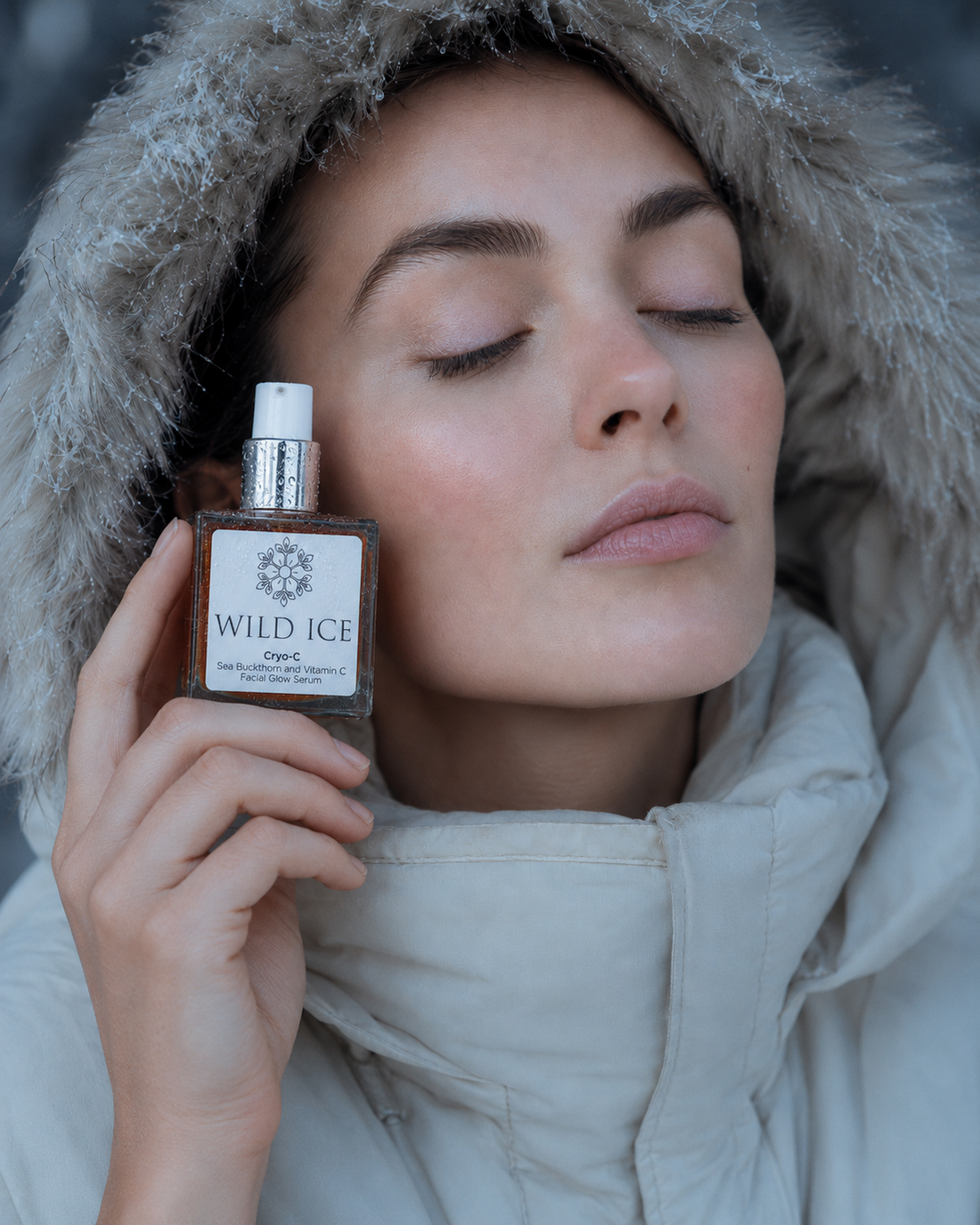
Cryo-C: Vitamin C Glow Serum with Sea Buckthorn

Cryo-C: Vitamin C Glow Serum with Sea Buckthorn- Regular price
-
$79.00 - Regular price
-
- Sale price
-
$79.00
Quick view
-
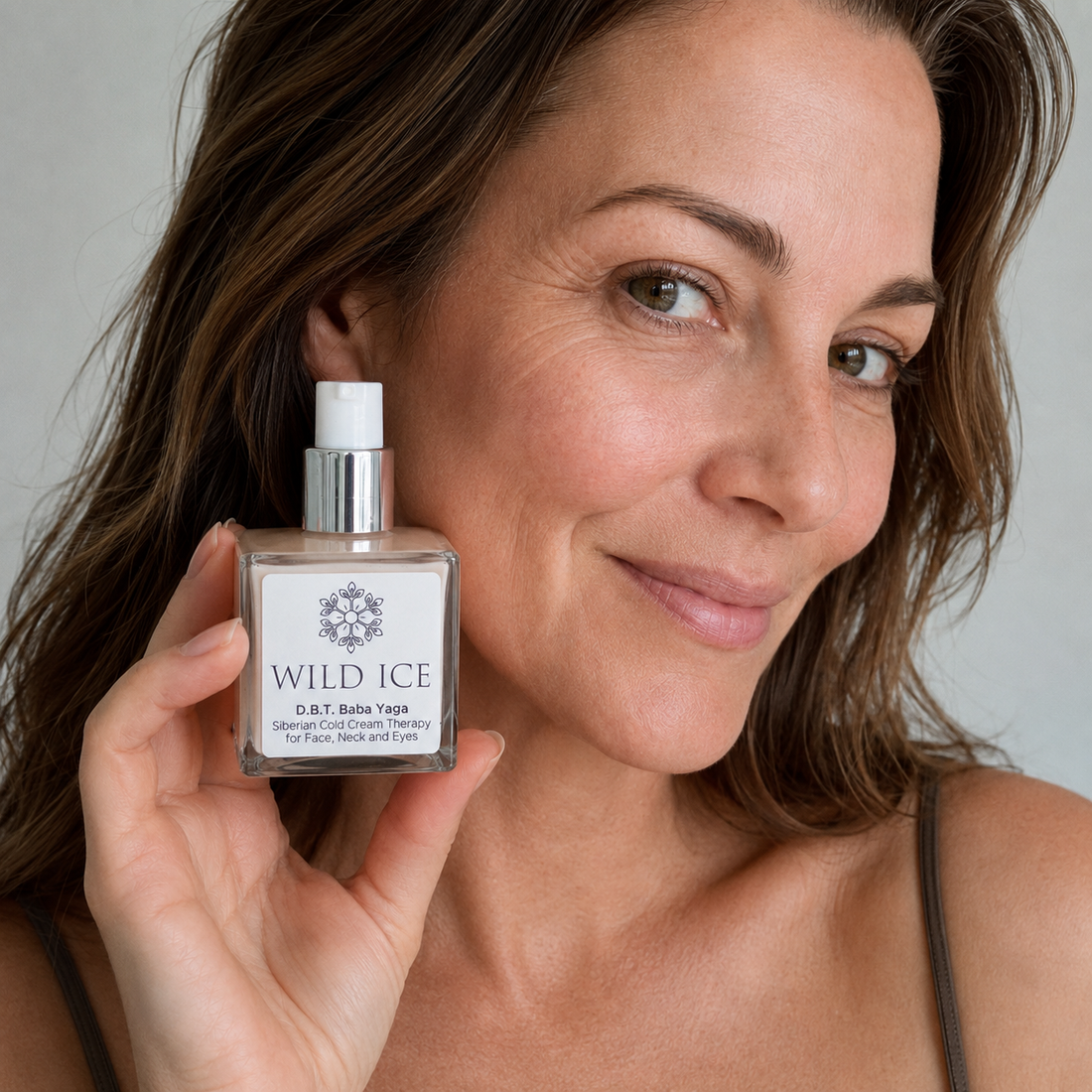
D.B.T. Baba Yaga: Peptide & Ceramide Face Cream

D.B.T. Baba Yaga: Peptide & Ceramide Face Cream- Regular price
-
$64.00 - Regular price
-
- Sale price
-
$64.00
Quick view
-
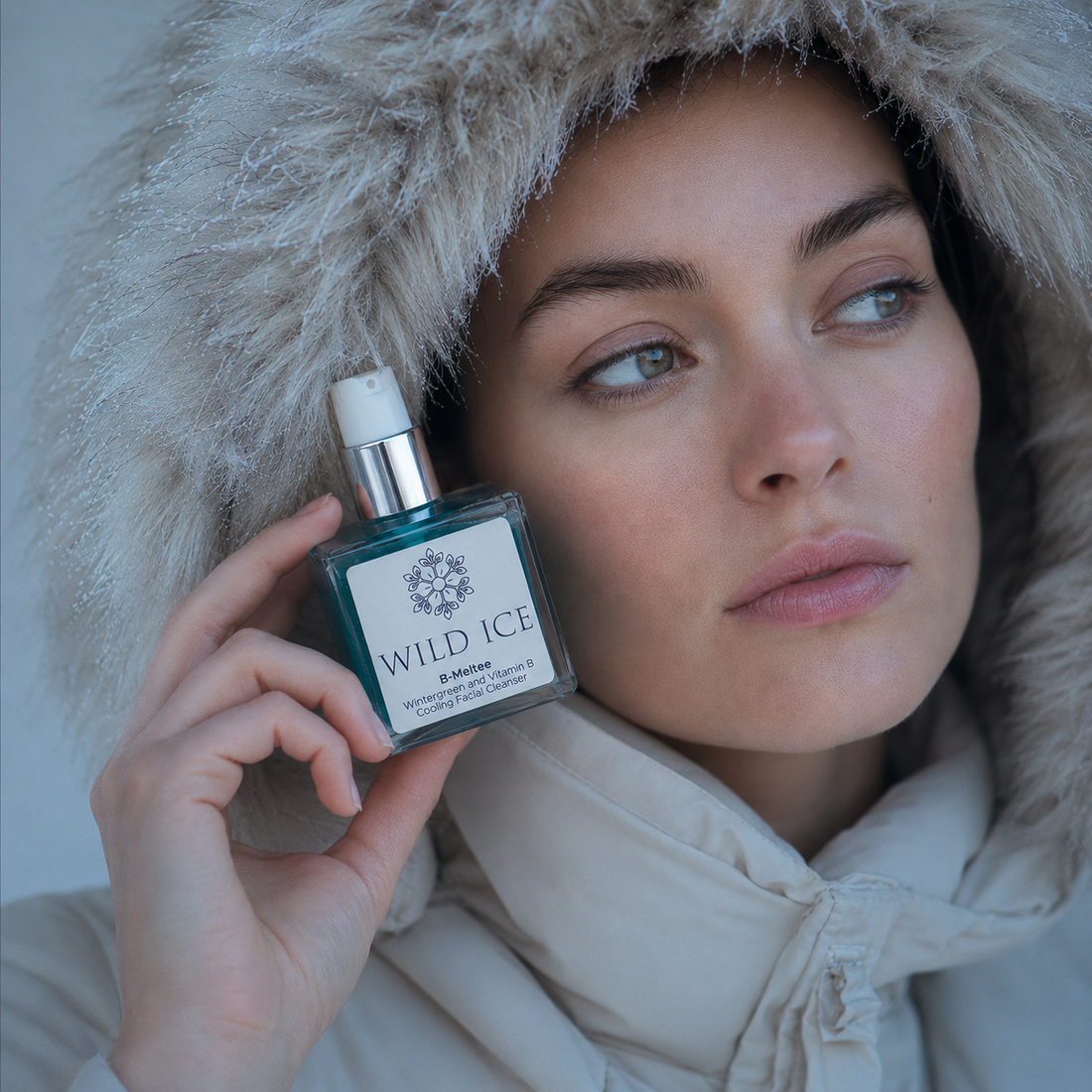
B-Meltee: Cooling Facial Cleanser with Niacinamide & Wintergreen

B-Meltee: Cooling Facial Cleanser with Niacinamide & Wintergreen- Regular price
-
$36.00 - Regular price
-
- Sale price
-
$36.00
Quick view
-
Gaea's Gala: Galactomyces & Rose Water Complexion Balancing Toner

Gaea's Gala: Galactomyces & Rose Water Complexion Balancing Toner- Regular price
-
$46.00 - Regular price
-
- Sale price
-
$46.00
Quick view
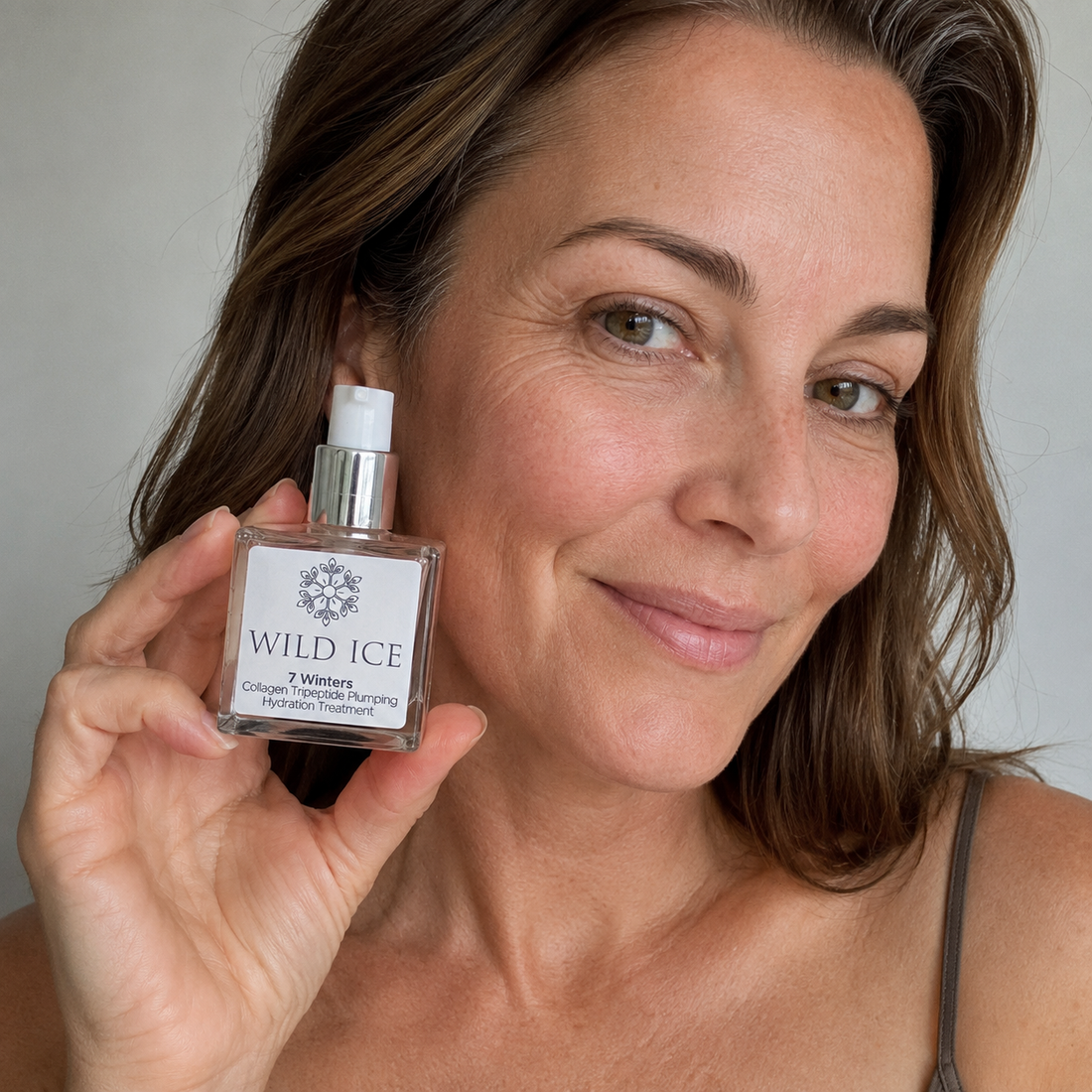
Real Customers. Six Weeks. No Retouching.


After 6 weeks on the Wild Ice Essentials Routine. Four products, twice a day, visible results.

SUBSCRIBE & SAVE UP TO 30%
Build Your Routine
Pick your products, set your schedule, save up to 30%.
Manage everything from your customer portal. Cancel anytime.

THE BEAUTY FRIDGE PARADOX
Cold Can't Unspoil The Banana
Beauty fridges are popular because everyone wants fresh skincare.
But putting conventional products in one makes about as much sense as refrigerating an old banana.
And while a spoiled banana has the courtesy to turn brown, a degraded cream looks and feels identical to a fresh one.
You just wonder why your skin isn't improving.
Beauty fridges can make conventional skincare cold at the end. Wild Ice is cold from the beginning.
Beauty fridges can't reverse decomposition. Most product breakdown occurs in:
-
Distribution
Shipping containers and truck beds regularly exceed outdoor temperatures by 30°F or more.
-
Warehousing
Amazon requires sellers to agree that products may sit in 155°F heat indefinitely. Most major fulfillment centers operate the same way.
-
Retail
Products sit on display at room temperature or warmer, slowly degrading for months and often years.
The Science of Cold
Dozens of scholarly sources covering how vitamin C, retinoids, peptides, and botanicals break down at room temperature, why most of that damage happens before a product ever reaches you, and what a real cold chain actually protects against.
Let customers speak for us

FROM OUR FOUNDER
The Wild Ice Difference
Conventional skincare is built to survive years in hot distribution networks, warehouses, and retail stores.
The preservatives that make that possible absorb into your body, and heat breaks down delicate ingredients anyway.
I built Wild Ice on cold instead of chemicals. Small-batched weekly, cold-stored, direct to you.
Better for your skin, and safer for the ones you hold close.
Common Questions
Do I need to keep Wild Ice in a refrigerator at home?
You don't need to refrigerate products during daily use, but we recommend finishing each bottle within 90 days of leaving the fridge. Storing unused products cold until you're ready to start them is ideal (the kitchen fridge is fine).
Just don't freeze water-based products, and shake well after thawing if any do freeze. Keep all products out of direct sunlight.
Why don't bigger skincare brands do this?
Because it's hard.
Most brands outsource production to companies that don't offer refrigeration for finished products, much less their ingredient inventory.
Amazon requires products to withstand 155°F heat indefinitely, typical of major fulfillment centers. And no, there are no exceptions (we tried).
Major retailers won't install fridges that rearrange floor space and make their other lines look inferior (we tried that too).
Instead of compromising the formulas to survive such conditions, we chose to bypass them entirely. Small-batched, cold-stored, and shipped direct to you.
How does shipping work when products aren't shipped cold?
The few days in a shipping box are a tiny fraction of a product's life.
The infographic above shows where the real damage happens: the months or years of warehouse and retail dwell time conventional products go through before reaching your skin. We could throw a cold pack in every box, but that would be an expensive gimmick solving maybe 2% of the problem.
The cold preservation that matters is everything before the box, and that's the part we solve.
Is Wild Ice safe to use while pregnant or breastfeeding?
Yes. Mila formulated and used every Wild Ice product through three pregnancies and while breastfeeding each.
Because cold does the preserving for us, you won't find any of the chemical preservatives, parabens, sulfates, phthalates, or synthetic fragrances you're told to avoid during pregnancy.
How is this different from other clean or natural skincare brands?
Chemical preservatives only stop one of three ways skincare breaks down: bacterial growth.
But skincare formulas deteriorate through three pathways: microbial, enzymatic, and oxidative. Preservatives address microbial growth only. The other two pathways continue unchecked.
Airless pumps reduce atmospheric oxygen exposure during dispensing. They do nothing about the dissolved oxygen already in the formula from manufacturing, and nothing about thermally driven redox reactions that don't require new oxygen to proceed. Most oxidative degradation in skincare is governed by temperature, not headspace exposure. Your L-ascorbic acid isn't browning because air got in. It's browning because it sat at 78°F for four months.
Any brand using real botanical extracts (and that's virtually all of them) carries endogenous enzymes: lipase, polyphenol oxidase, protease. These are native to the plant material. You can denature them with heat during manufacturing, but that same heat degrades the actives you're trying to protect. It's a lose-lose trade-off.
The variable underneath all three pathways is temperature. Reaction rates roughly double with every 10°C (18°F) increase. A product warehoused at 78°F degrades at roughly 4x the rate of one stored at 42°F.
At Amazon's stated 155°F, the rate goes to over 70x (and we wish those temps were uncommon). No combination of preservatives, airless packaging, and ingredient selection changes the Arrhenius equation.
Cold does. It's the only single intervention that suppresses all three degradation pathways simultaneously.
And, as far as we're aware, we're the only ones willing to use it.